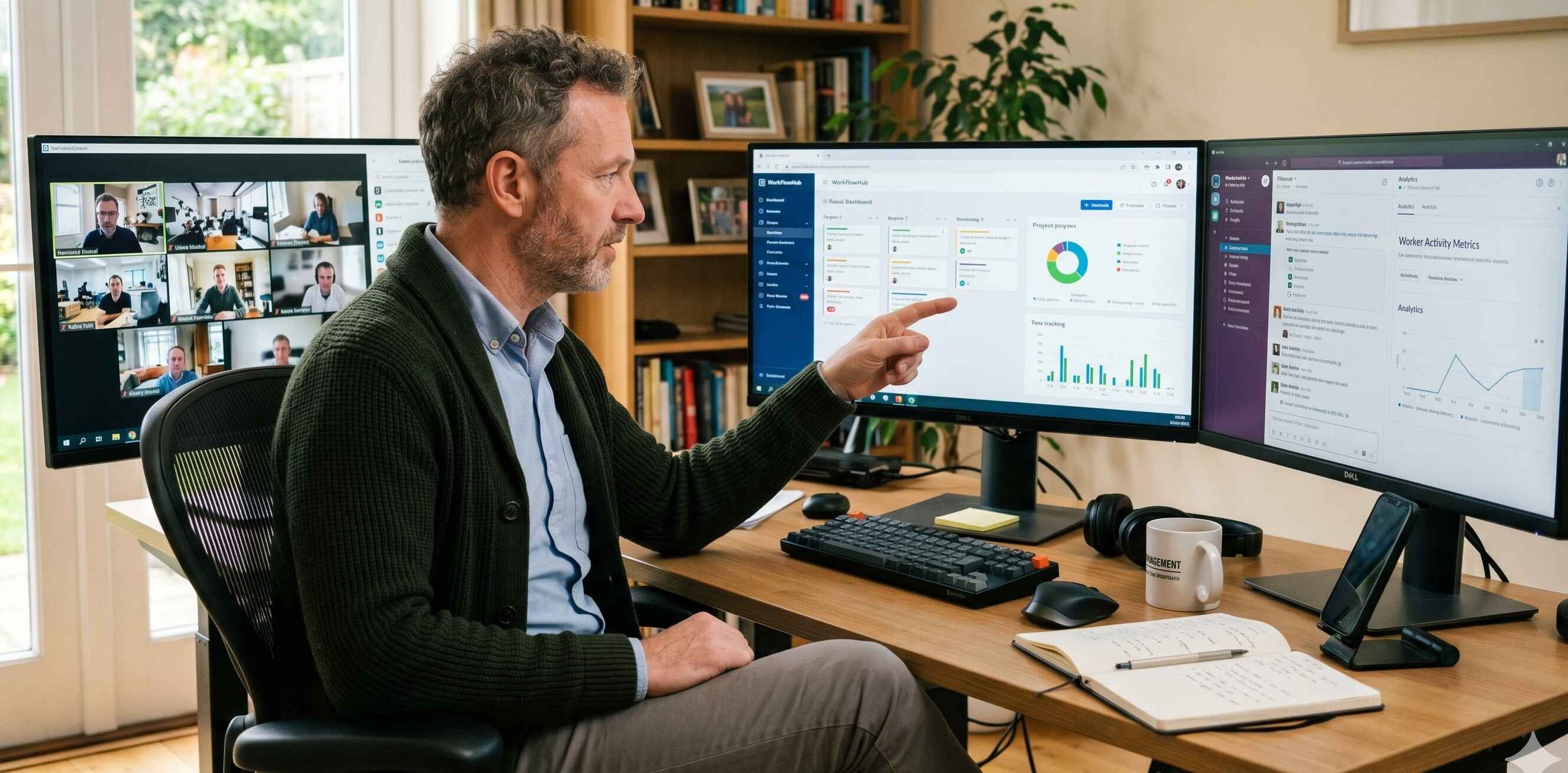
Learn how to monitor productivity, ensure accountability, and use the right tools to manage a remote workforce effectively.
Remote work has transformed itself from a temporary solution to a permanent, widespread approach for many businesses. While the flexibility and autonomy of remote work are attractive to employees, they also pose significant challenges for employers particularly when it comes to monitoring productivity and ensuring that the team is genuinely working. How do you know if your remote team is being as productive as they should be? Is remote work leading to the expected outcomes, or are distractions and inefficiencies taking a toll on your business?
In this article, we will explore the various aspects of remote team monitoring. We will cover the tools and strategies that can help you track progress, measure productivity, and ensure that your remote team stays focused and engaged. We'll also discuss the importance of communication, setting clear expectations, and building a culture of accountability in a remote work environment.
Understanding the Key Challenges of Remote Team Productivity
Remote work is no longer a temporary solution for many businesses, it has become an integral part of the way companies operate. The pandemic may have accelerated the shift to remote work, but even now, as businesses navigate through a post pandemic landscape, many remote work challenges persist. One of the biggest concerns for employers managing remote teams is determining whether their employees are genuinely working and whether they are as productive as they would be in an office setting.
The question of productivity in remote teams isn't just about the hours spent working, it's about ensuring that work is aligned with business goals, outcomes are being achieved, and employees are maintaining engagement despite the lack of direct supervision.
In this expanded section, we will explore several critical challenges businesses face when managing remote team productivity, the consequences of mismanagement, and practical strategies to overcome these issues.
Understanding the Remote Work Productivity Gap
It’s essential to understand the concept of the remote work productivity gap the difference between how much work employees are doing and how much they can do when they are given the right tools, structure, and environment. This gap is often amplified by poor visibility in employee workflows, lack of engagement, and inefficient work habits that often go unnoticed until it is too late.
In many cases, employees in remote work environments struggle with accountability because they are given too much autonomy without clear guidelines, deadlines, or tracking tools. This autonomy, while essential for flexibility, can quickly lead to disconnected teams and missed deadlines.
Here are some reasons this gap exists:
- Lack of Clear Expectations: Without clear expectations and goals set from the start, remote workers might not fully understand what is expected of them, making it easier for them to get distracted or work on tasks that don’t directly contribute to company goals.
- Communication Barriers: Without frequent in-person communication, remote teams often experience delays in feedback, unclear instructions, or missed information that may lead to frustration and confusion. This can result in employees not fully understanding project requirements or their specific role in a project.
- Isolation and Engagement Issues: Remote workers may not feel as connected to the company's overall mission or their teammates, leading to a drop in employee morale and engagement. Lack of engagement is a significant factor that can reduce productivity.
- Technology and Infrastructure Problems: Many businesses fail to equip remote teams with the necessary technology, tools, or processes to work efficiently. Without reliable collaboration tools, file sharing systems, and communication platforms, employees are left scrambling to find workarounds, costing both time and productivity.
The Challenge of Remote Work Monitoring
While remote work offers numerous benefits such as cost savings, flexibility, and access to a global talent pool it also introduces some unique challenges. Without face-to-face interactions, it's harder for managers to monitor their team’s productivity, ensure they are meeting deadlines, and provide real time feedback.
For many employers, the biggest concern is trusting remote workers. How do you know if your team is truly engaged and working efficiently? How can you ensure they are managing their time wisely and not procrastinating or getting distracted by personal tasks?
In the absence of direct oversight, traditional management techniques no longer apply. The key to overcoming this challenge is effective remote work monitoring. This doesn’t mean micromanaging your team but using the right tools, clear expectations, and performance metrics to measure their output and progress.
1. Setting Clear Expectations and Goals
One of the most important steps to ensuring your remote team is working is setting clear expectations from the very beginning. Without clear goals and deadlines, your team may struggle to stay on track, which could lead to inefficiency and frustration.
Define Performance Metrics
When managing remote teams, performance metrics are essential for measuring progress and success. Unlike in office settings, where you can observe your employees’ work habits, remote workers need a structured set of expectations to understand what is required of them.
Establish both quantitative and qualitative performance indicators. Quantitative metrics may include sales numbers, tasks completed, or lines of code written. Qualitative measures could involve the quality of work, client satisfaction, or meeting deadlines.
Ensure these metrics are clear, specific, and achievable. This helps your remote workers understand what is expected of them, which leads to greater productivity and focus.
Set Deadlines and Milestones
Without regular deadlines or milestones, remote workers may feel disconnected from the overarching goals of the business. Milestones give workers a sense of accomplishment and help them stay motivated.
Make sure deadlines are realistic but also challenging enough to keep your team focused. Assign individual tasks that contribute to larger projects, ensuring that your team’s work aligns with business goals.
Delon Apps’ Task Management tools can be used to assign specific tasks, set deadlines, and track progress, ensuring that your remote team is aligned with project timelines.
2. Use the Right Remote Work Monitoring Tools
Monitoring remote teams doesn’t mean constant surveillance or micromanaging; it’s about having the right tools to gather insights and track progress efficiently. Thankfully, modern technology has made it easier than ever to monitor remote team productivity. Below are a few tools that can help you ensure your team is on track:
Time Tracking Software
Time tracking tools are an excellent way to measure how much time your remote employees spend on specific tasks. These tools can also help identify if workers are struggling with certain tasks or spending too much time on low-priority activities.
Popular time-tracking tools include:
- Toggl: A simple time tracking tool that provides detailed reports to analyze where time is being spent.
- Harvest: Ideal for teams, Harvest not only tracks time but also helps you manage invoices, payments, and budgets.
- Clockify: A free tool that allows businesses to track how their team spends their time, offering reports and integrations with other tools.
These tools allow you to see exactly how much time is being spent on productive tasks, and where employees may need further guidance.
Project Management Tools
Project management tools help organize and track team workflows. These tools are perfect for remote teams because they allow you to assign tasks and monitor progress in real time. Project management platforms also provide transparency, so your team knows what needs to be done and who is responsible for each task.
Some project management tools you can use to improve your remote team’s organization include:
- Asana: A powerful project management tool that allows you to assign tasks, set deadlines, and track progress visually.
- Trello: An easy-to-use tool that provides a visual board for organizing tasks and tracking milestones.
- Monday.com: A work operating system that integrates with other platforms, giving you a comprehensive view of your team’s tasks and performance.
These tools provide an organized structure and allow you to assess your team’s progress without the need for constant check ins.
3. Foster Open Communication Channels
Effective communication is key to managing a remote team. Without direct interaction, misunderstandings and mistakes are more likely to occur. Creating a communication plan that includes regular check ins, feedback, and collaboration ensures that your team stays on track and aligned.
Daily or Weekly Standups
Establish a routine of daily or weekly standups where remote team members provide brief updates on their tasks and progress. This not only keeps everyone informed but also ensures that everyone is held accountable for their work.
You can use tools like Zoom, Slack, or Microsoft Teams to facilitate these standups. These meetings can be short, lasting only 10-15 minutes, but they help ensure your team is aligned and focused.
Real-time Communication Tools
Use instant messaging and collaboration tools to facilitate quick communication between team members. Rather than waiting for a scheduled meeting, team members should be able to quickly resolve issues and clarify information in real-time.
Consider using tools like:
- Slack: A messaging platform that helps teams communicate in real time with channels dedicated to specific projects or tasks.
- Microsoft Teams: A platform that integrates with Office 365 and offers chat, file sharing, and video conferencing capabilities.
- Zoom: Ideal for video meetings, offering screen sharing and breakout rooms to facilitate team discussions.
Encourage your remote team to use these communication channels for quick problem solving and regular check ins, which ensures that work progresses smoothly.
4. Create a Culture of Accountability
Accountability is essential for ensuring that remote employees are staying on track and meeting expectations. When team members are given more freedom and flexibility, they need to take ownership of their work and results. As a manager, it is crucial to establish a culture of accountability and trust while also providing the tools and resources your team needs to succeed.
Set Clear Expectations
Be transparent with your team about performance expectations and provide regular feedback on their work. Make sure each remote employee understands their responsibilities, deadlines, and the impact of their work on the business.
Ensure employees are aware of the consequences for missing deadlines or failing to meet expectations. However, avoid micromanaging and give employees the space they need to do their work independently.
Foster Trust
Trust is the foundation of a successful remote team. A culture of trust encourages employees to take ownership of their work and gives them the autonomy to manage their own time. Regular communication, clear expectations, and accountability help foster trust within your remote team.
5. Monitor Performance with Key Metrics
In addition to using tools to track time and tasks, monitoring key performance indicators (KPIs) is essential for assessing your team’s overall productivity and performance. KPIs help you evaluate if your team is on track to meet the business’s goals and if there are any areas for improvement.
Types of KPIs to Monitor
- Task Completion Rate: Track how many tasks are completed on time.
- Employee Utilization Rate: Measure how much of your employees’ available work hours are being used productively.
- Quality of Work: Evaluate the output quality based on customer feedback, project feedback, and internal reviews.
- Client Satisfaction: Monitor how satisfied clients are with the services provided, which can directly reflect employee performance.
By regularly monitoring KPIs, you can identify trends, spot problems early, and make adjustments before delays occur.
6. Use Results-Oriented Approaches
Instead of tracking employees' time and micromanaging their activities, focus on the outcomes and results they deliver. In a remote work environment, the focus should be on what employees accomplish rather than how many hours they work. This approach allows team members to manage their time more efficiently, while still meeting their goals and deadlines.
Define Results-Oriented Goals
Use OKRs (Objectives and Key Results) to set clear goals and measurable outcomes for your remote team. OKRs ensure that your team is focused on achieving key results that contribute to the overall success of the business.
By shifting to a results oriented approach, your remote team will feel more trusted, motivated, and productive. They will be able to prioritize the most important work and manage their time effectively.
Technology Can Help Bridge the Productivity Gap
Technology has played a significant role in enabling remote work, and the right tech tools can be game changers when it comes to ensuring that your remote team is productive and aligned with company goals. Apart from the time tracking tools, project management tools and communication tools that were listed above we also have:
1. Cloud-Based File Sharing and Document Collaboration
Cloud-based solutions like Google Drive and Dropbox allow team members to access shared documents, collaborate on files, and update records in real time. Having a centralized system for sharing files and collaborating on documents ensures that everyone has the most up-to-date version of the work and eliminates the confusion caused by outdated files.
These tools also allow remote workers to access documents from anywhere, reducing delays caused by file-sharing or location-based restrictions.
2. Performance Tracking Tools
For businesses that need more advanced monitoring, performance tracking tools can help measure employee productivity and provide insights into how well each team member is performing.
Tools like 15Five and Lattice allow managers to track employee performance, set goals, provide feedback, and measure progress towards objectives. Regular performance reviews are essential to maintaining motivation and encouraging growth, even when employees work remotely.
Conclusion
Successfully managing a remote team comes down to having the right tools, systems, and processes in place to monitor productivity without micromanaging. By setting clear expectations, fostering communication, using effective monitoring tools, and creating a culture of accountability, you can ensure your remote team stays focused and on track.
At Delon Apps, we offer comprehensive project management and communication tools that help businesses manage remote teams efficiently. Whether you need time tracking software, task management tools, or communication platforms, Delon Apps provides solutions designed to help your team stay organized, productive, and engaged.
Ready to take control of your remote team’s productivity? Visit Delon Apps today and explore our tools for remote work management. Contact us now to learn how our solutions can help your team perform at its best.
Suggested Reads
 Teniola Makinde
Building a Lean Business Model with Virtual Assistant Support
 Teniola Makinde
Using Resolution Consulting to Rebuild Customer Trust
 Teniola Makinde
The Role of Software Development in Business Growth and Digital Transformation
 Teniola Makinde
Common Myths About Staff Outsourcing That Businesses Should Stop Believing
 Teniola Makinde
How Automated Timesheets Simplify Remote Employee Payroll
 Teniola Makinde
How Virtual Assistants Help Improve Customer Retention
.jpg) Teniola Makinde
Teniola Makinde
How Resolution Consulting Can Improve Employee Relations
 Teniola Makinde
Why Businesses Should Modernize Their Legacy Software Systems
 Teniola Makinde
How Delon Apps Helps Businesses Resolve Complex Organizational Challenges
 Teniola Makinde